Laundry and Dry-Cleaning Efficiency: Clean Clothes, Smarter Water Use
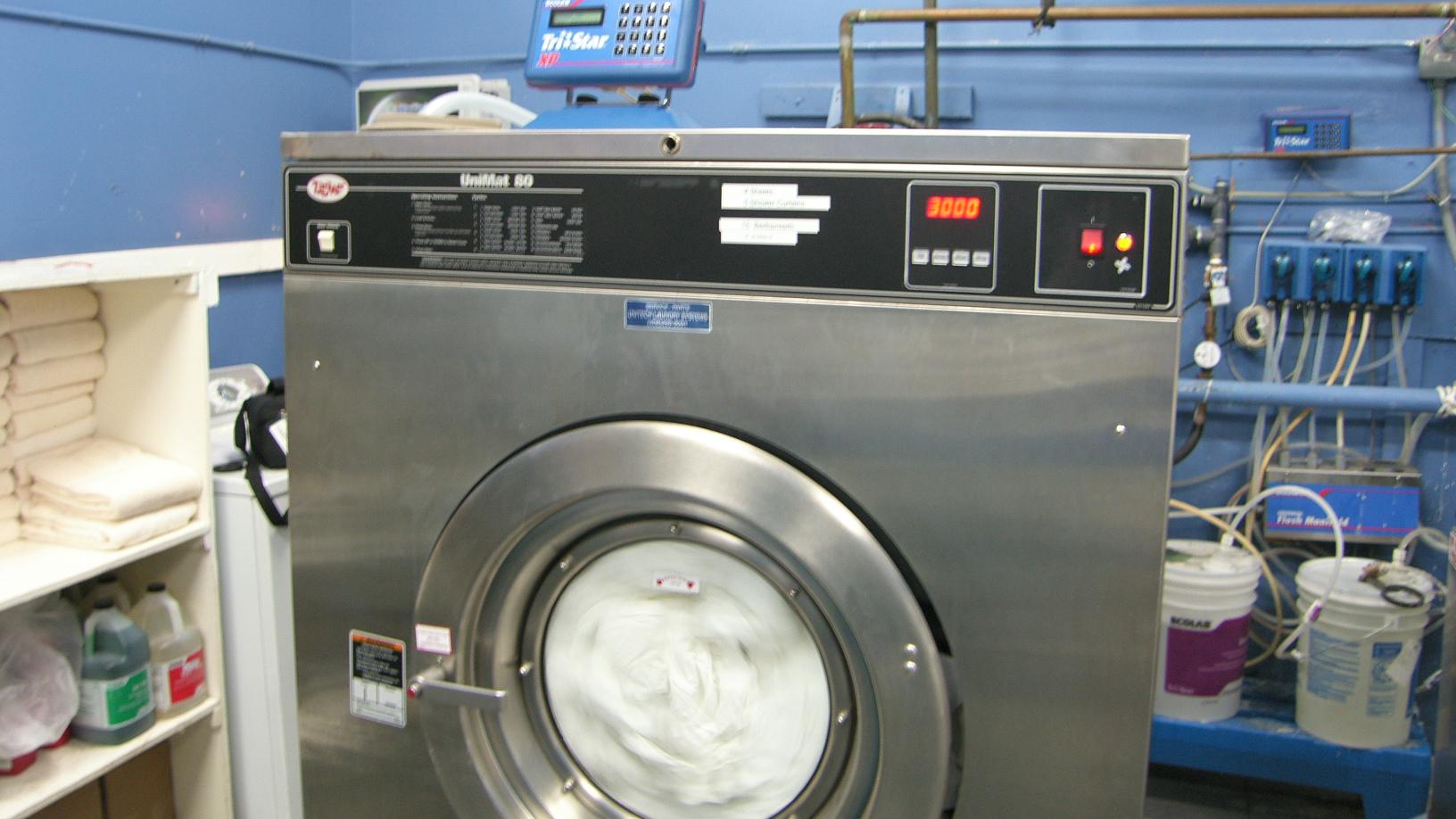
Every load of laundry comes with a hidden cost: water, energy, and the expense of heating and treating that water. For businesses that run washers throughout the day, those costs can increase quickly. The good news is that smarter equipment and everyday operating practices can turn each wash cycle into an opportunity to save water and money.
For Santa Clara County businesses, including laundromats, dry-cleaners, and hotels/motels with laundry facilities, improvements such as on-site water-reuse systems and ozone-injection equipment may qualify for Valley Water's Water Efficient Technology (WET) Rebate Program. Eligible projects can receive rebates of up to $100,000 per conservation project.
One of the biggest opportunities to improve efficiency is in the washing process. Facilities can start with practical steps such as washing full loads, optimizing wash formulas and water levels, training staff on proper settings, and installing meters to track water use. Dry-cleaning businesses can also evaluate low- or no-water cleaning technologies where appropriate. Larger operations may benefit from high-efficiency tunnel washers or water-reuse and recycling systems. Some advanced systems can recover more than 85% of water for reuse.
Ozone-injection equipment can also improve laundry efficiency, particularly by reducing hot-water energy needs, although actual water savings vary by facility. After installing ozone equipment, a Santa Clara County hotel reduced their average water use per laundry load by 55% and received a rebate of over $8,000 from Valley Water!
To learn more about eligible technologies, program requirements, and available rebates, visit the WET Rebate Program page at watersavings.org, where you can also access the interactive WET Rebate Story Map and see projects that provide long-term water-saving benefits. The WET Story Map shows real examples of businesses and facilities that have completed projects to reduce their water use and improve efficiency. You can explore different projects to see what changes were made, how much water was saved, and the rebates they received.
Current WET funding is available through June 30, 2027. Apply today to lock-in your funding early.